Maybe you're dreaming of creating spaces that inspire. Maybe you’re passionate about merging culture with innovation. Or maybe you just want to design something that will change the way people experience the world. Whatever it is, the way I approach architecture is all about turning bold ideas into reality.
It all starts with a vision.
Hello, I am Pricillia.
Born and raised in Jakarta, with experiences in Germany and Japan, I bring a unique, global perspective to every project. Now, as a graduate student at Iowa State University, I’m shaping designs that merge diverse influences with cutting-edge ideas.
Design Projects
-
![]()
Case Study: Architecture Throughout History
ARCH 505 | Iowa State University
Instructor: Peter Zuroweste
-
![]()
Cinemato(po)graphies
ARCH 505 | Iowa State University
Instructor: Peter Zuroweste
-
![]()
Geometer's Cabin
ARCH 506 | Iowa State University
Instructor: Andrew Gleeson
-
![]()
Droukas Court
ARCH 506 | Iowa State University
Instructor: Andrew Gleeson
-
![]()
A Place of Healing
ARCH 602 | Iowa State University
Instructor: Cruz Garcia and Nathalie Frankowski
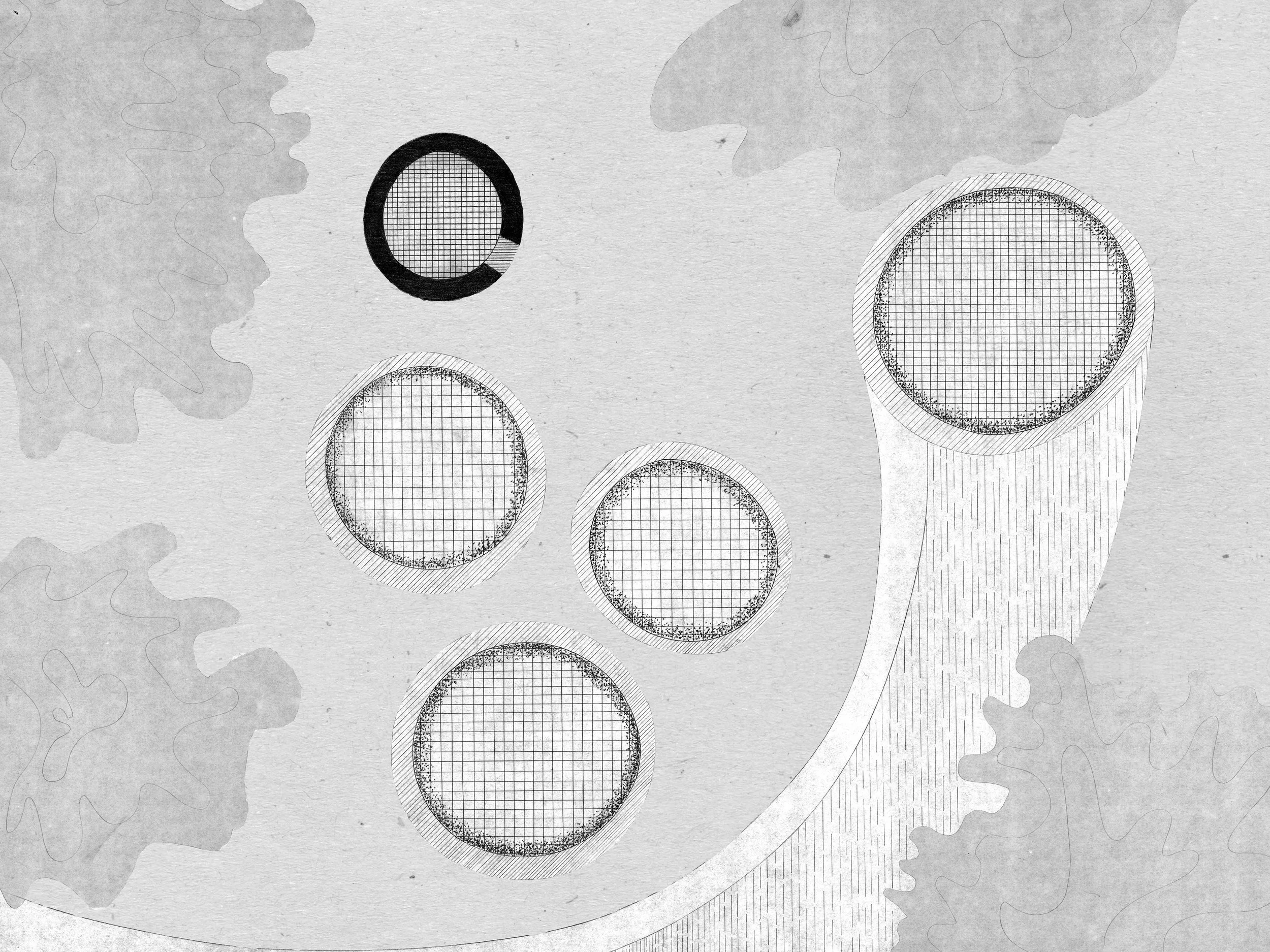
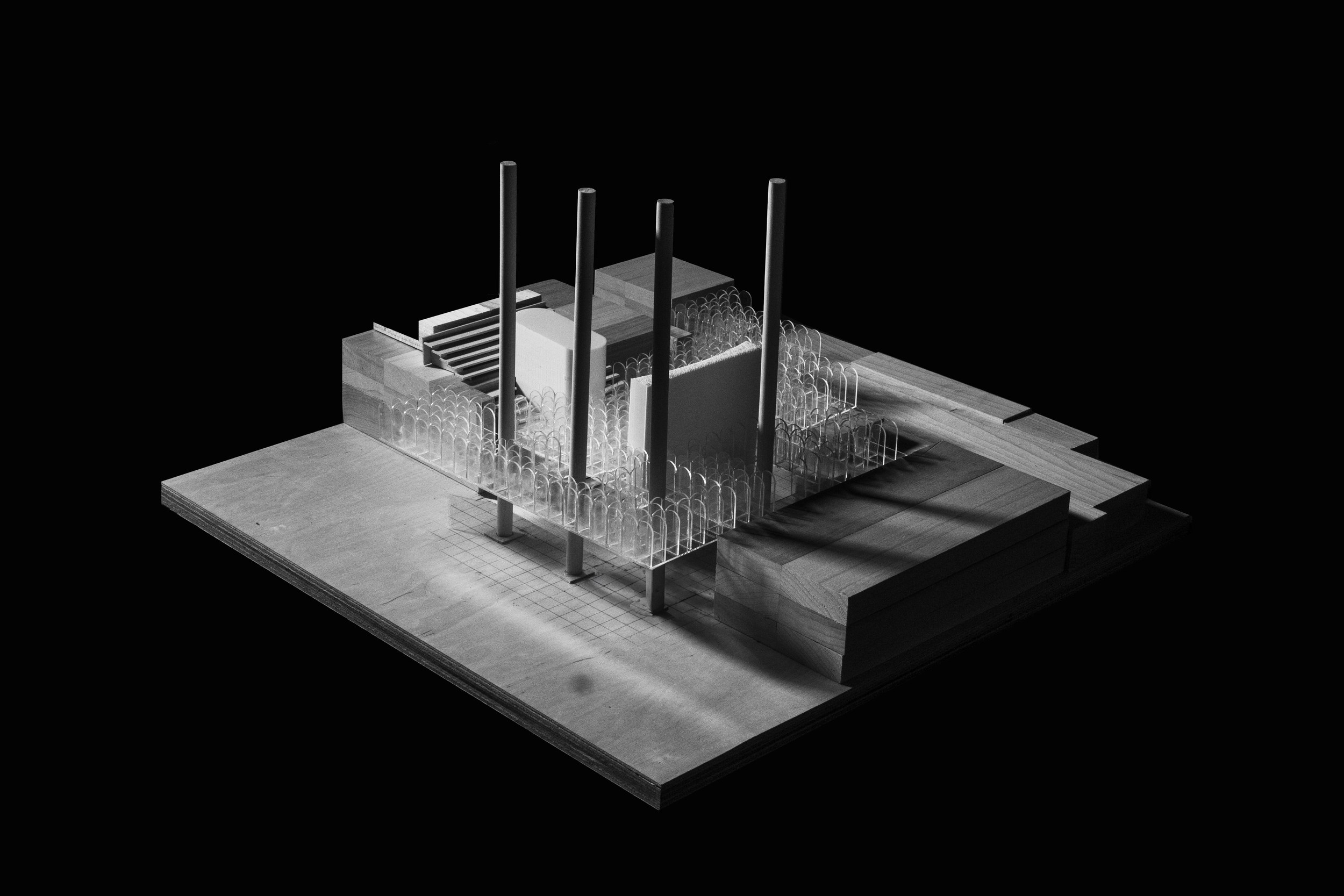
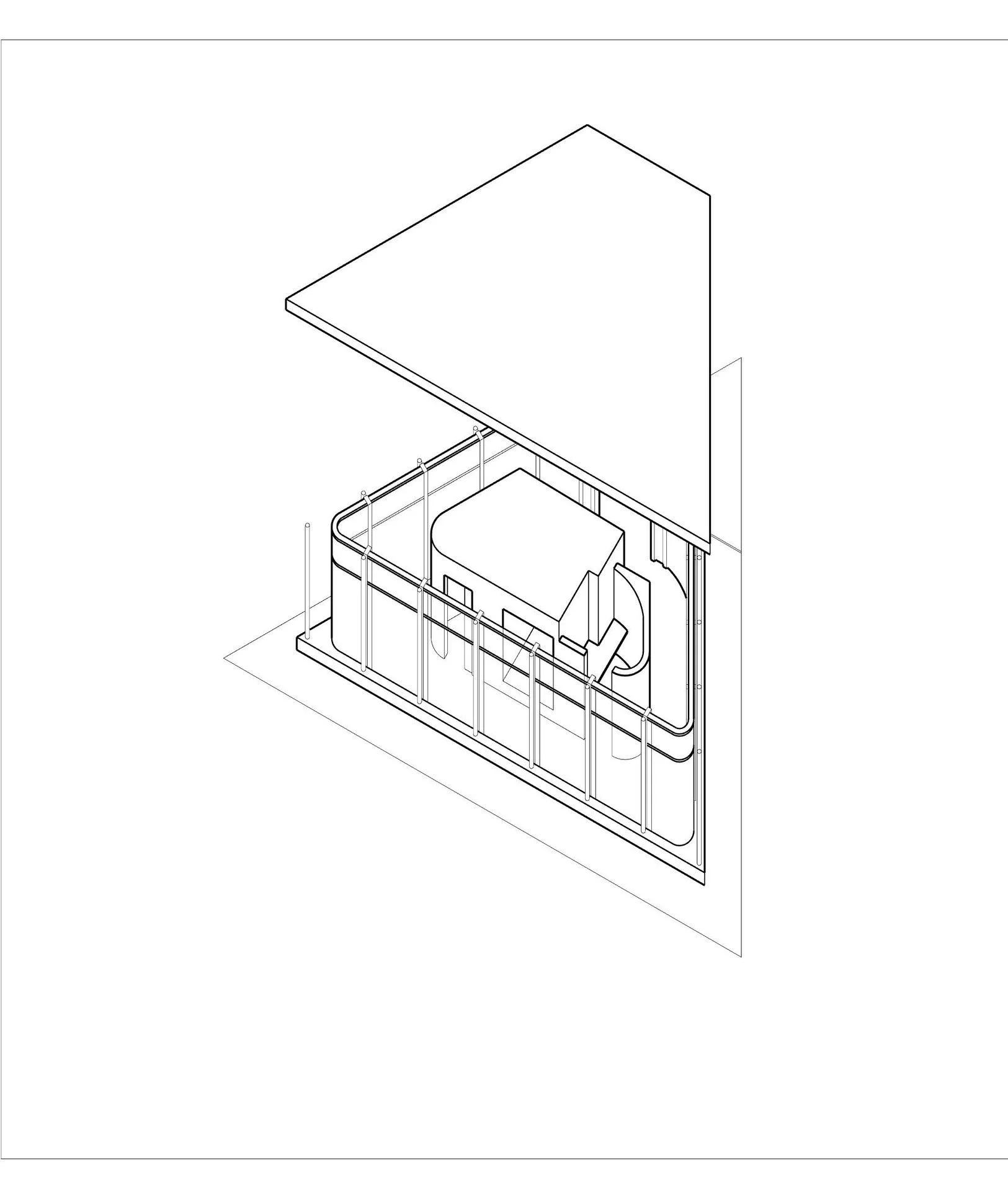

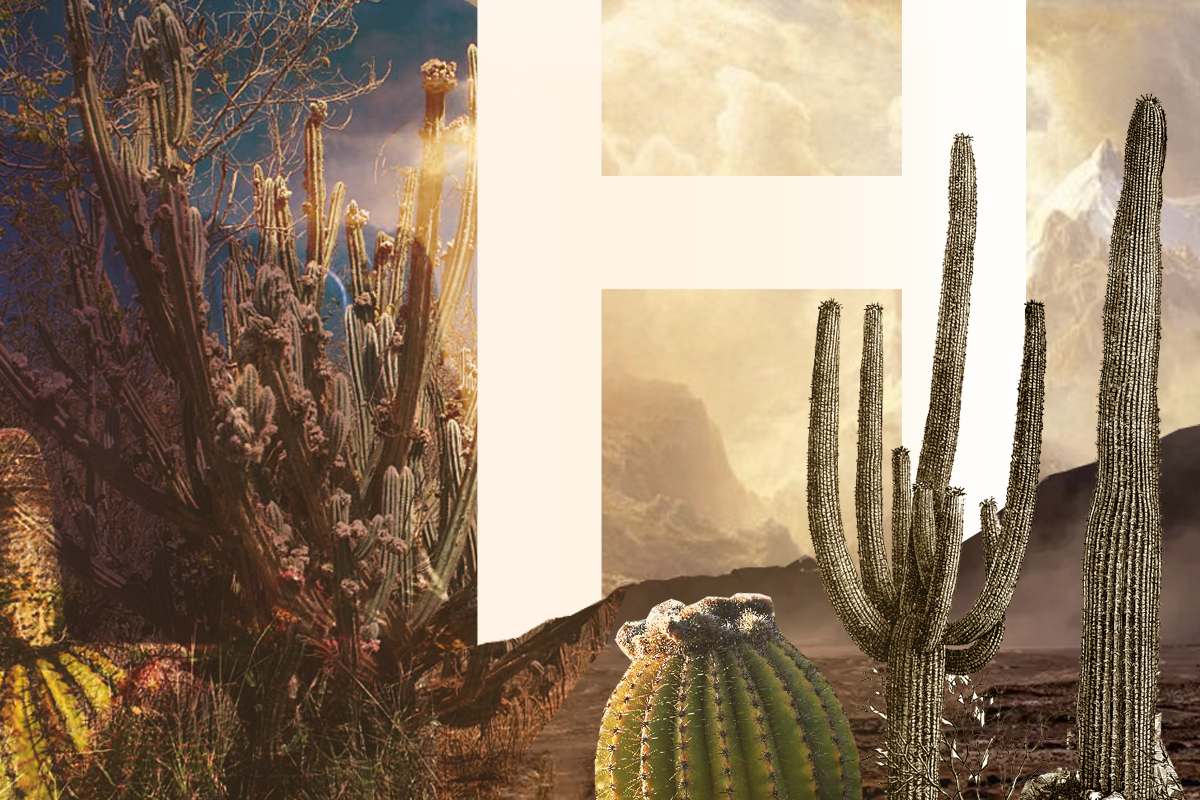
Images
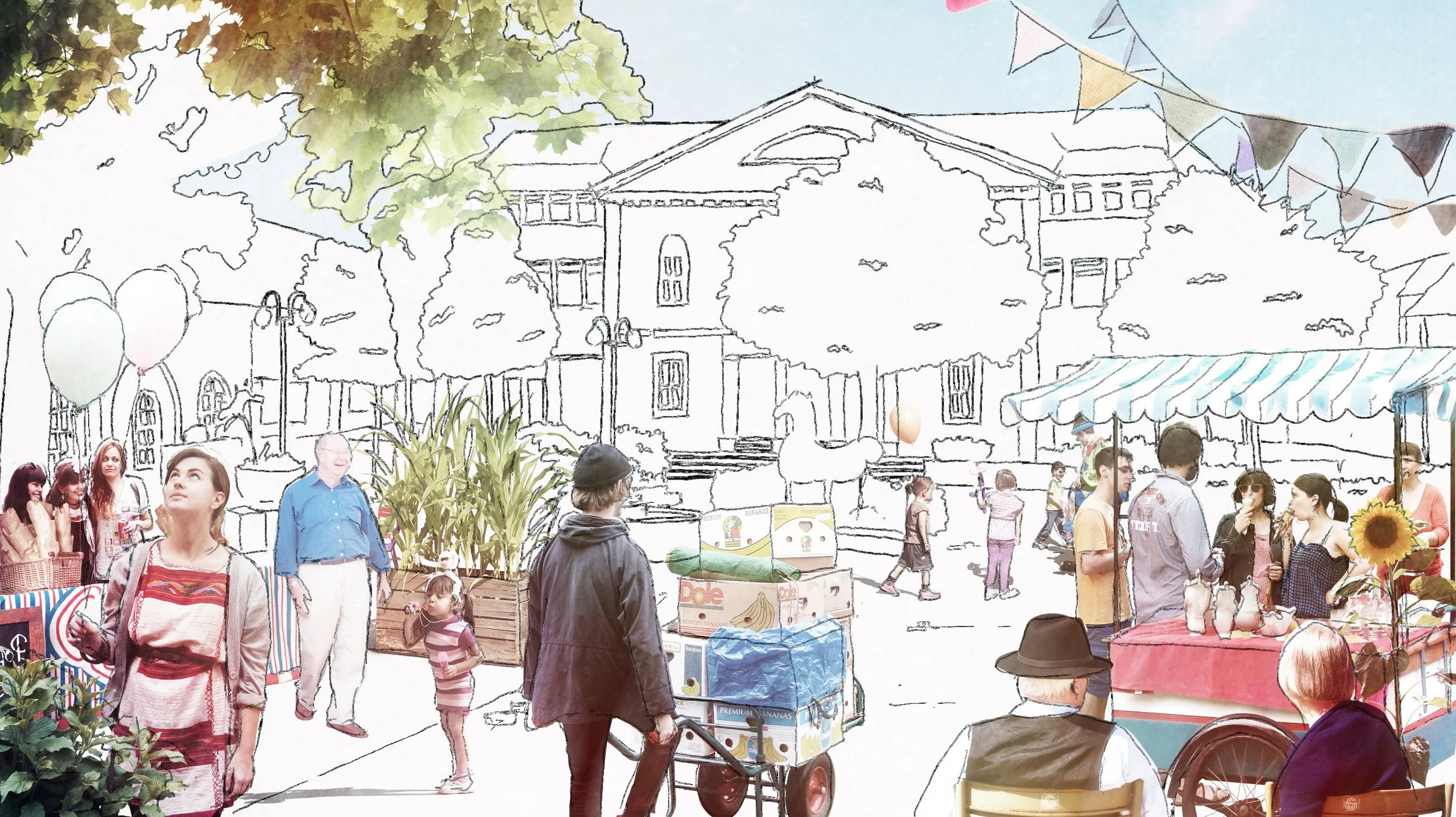
Research
Provisional Assemblages: Planetary Matters of Crisis
A Research Project presented at Venice Biennale 2025 Session: May 10-13, 2025
ARCH 598 | Iowa State University
Instructor: Peter Zuroweste
This research explores the temporary assemblages formed by marginalized communities in Jakarta, Indonesia, as they adapt to an escalating environmental crisis marked by land subsidence, rising sea levels, and unchecked groundwater extraction. In the face of systemic neglect, residents—particularly in informal settlements—construct stilt houses and modular dwellings, transforming precarious geographies into spaces of survival and resilience.
Using Foucault’s concept of Heterotopia, these riverside settlements are examined as counter-sites—other spaces that simultaneously reflect, resist, and disturb the dominant urban order. Though excluded from official infrastructures, they become functional alternatives shaped by necessity and ingenuity. Spivak’s notion of Worlding highlights how the state’s high-tech relocation of the capital to Nusantara enacts a process of imperial mapping—constructing a global-facing national identity while erasing local modes of dwelling. In this sense, the government’s top-down urban vision renders Jakarta’s poor as external to its future imaginary.
The repeated displacement of riverside communities (first by flooding, then by eviction) resonates with Said’s idea of Exile, not only as forced removal from place, but as an ongoing condition of dispossession and non-belonging. The wall built to protect affluent neighborhoods physically and symbolically reinforces social segregation, while the riverbank becomes a fragile zone of occupation and resistance. The community’s makeshift presence there challenges normative ideas of citizenship and urban belonging.
Ultimately, the research argues that these ephemeral, marginalized spaces are not merely sites of crisis but are politically charged terrains where alternate urban futures are imagined, enacted, and continuously disrupted.
Bamboo Pavilion
ARCH 528-C | Iowa State University
Instructor: Peter Zuroweste
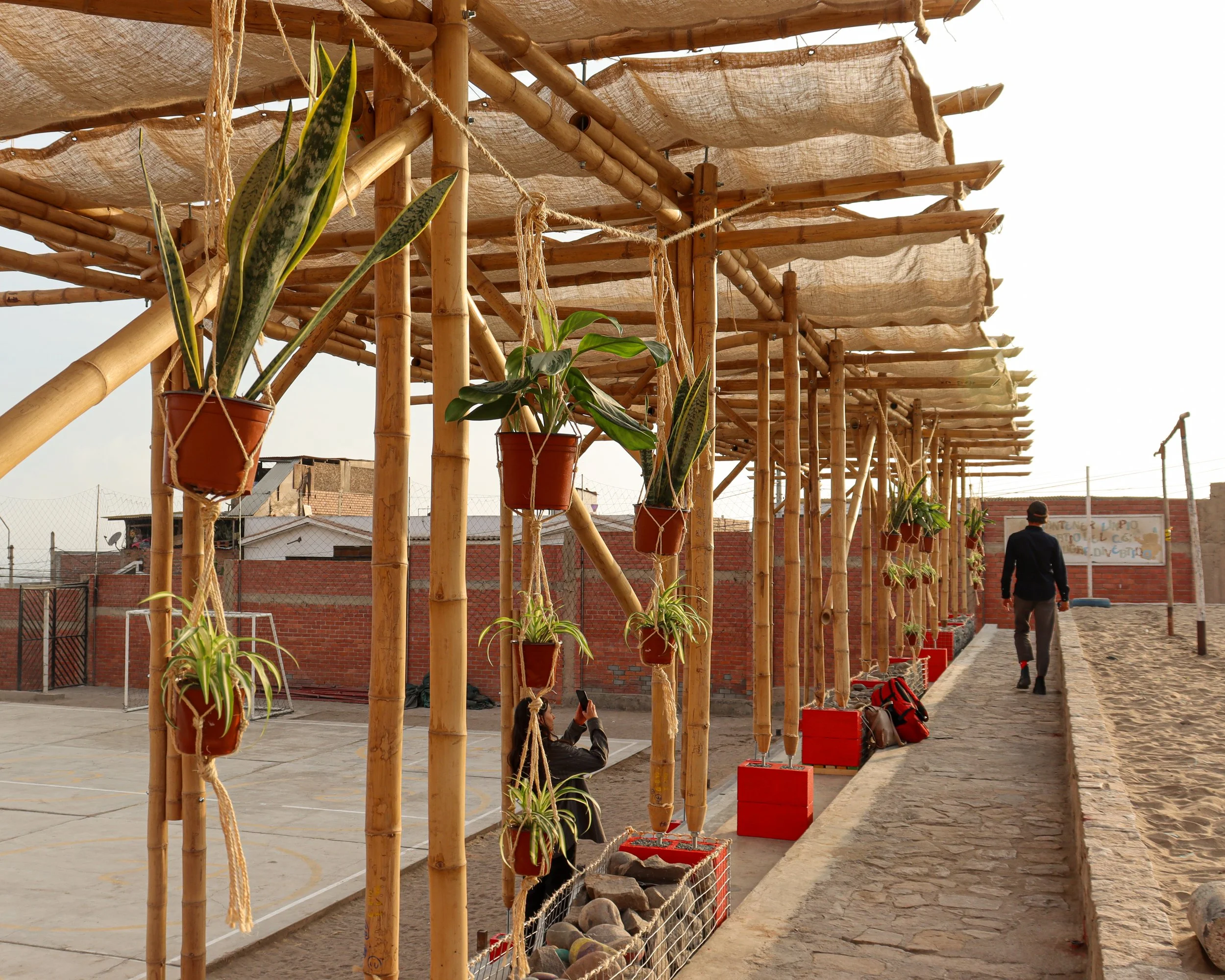
Role: Cultural Consultant and building team
This an international collaboration between ISU’s Department of Architecture, the UPN Department of Architecture, and community leaders in Peru. It focuses on designing “front porch” prototypes that connect underserved K-12 schools with their surrounding neighborhoods. The project addresses the challenge of overcoming fortress-like school architectures, incorporating partnerships with Espacios A+, which improves educational environments like classrooms, playgrounds, and gardens. The research question explores how to break down these architectural barriers.
As a cultural consultant in the LIO Lab Peru, my role is to ensure the project reflects and respects the cultural, environmental, and social contexts of the local communities. A key focus of my work involves integrating plants into the bamboo structures, which aligns with my research on how green spaces improve the health and development of children, particularly in urban environments.
Map of an Empty Land
ARCH 528-A | Iowa State University
Instructor: Deborah Hauptmann
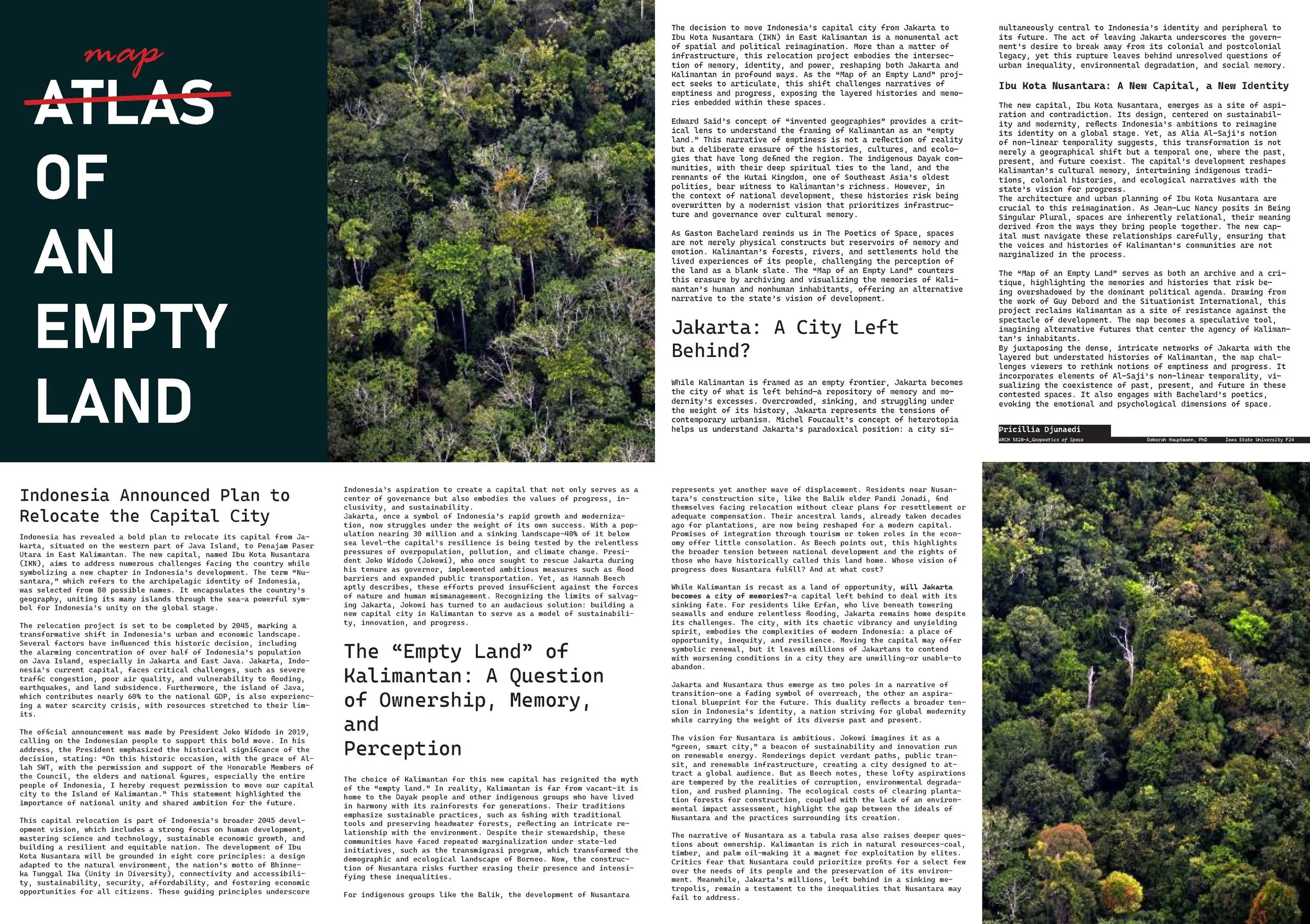
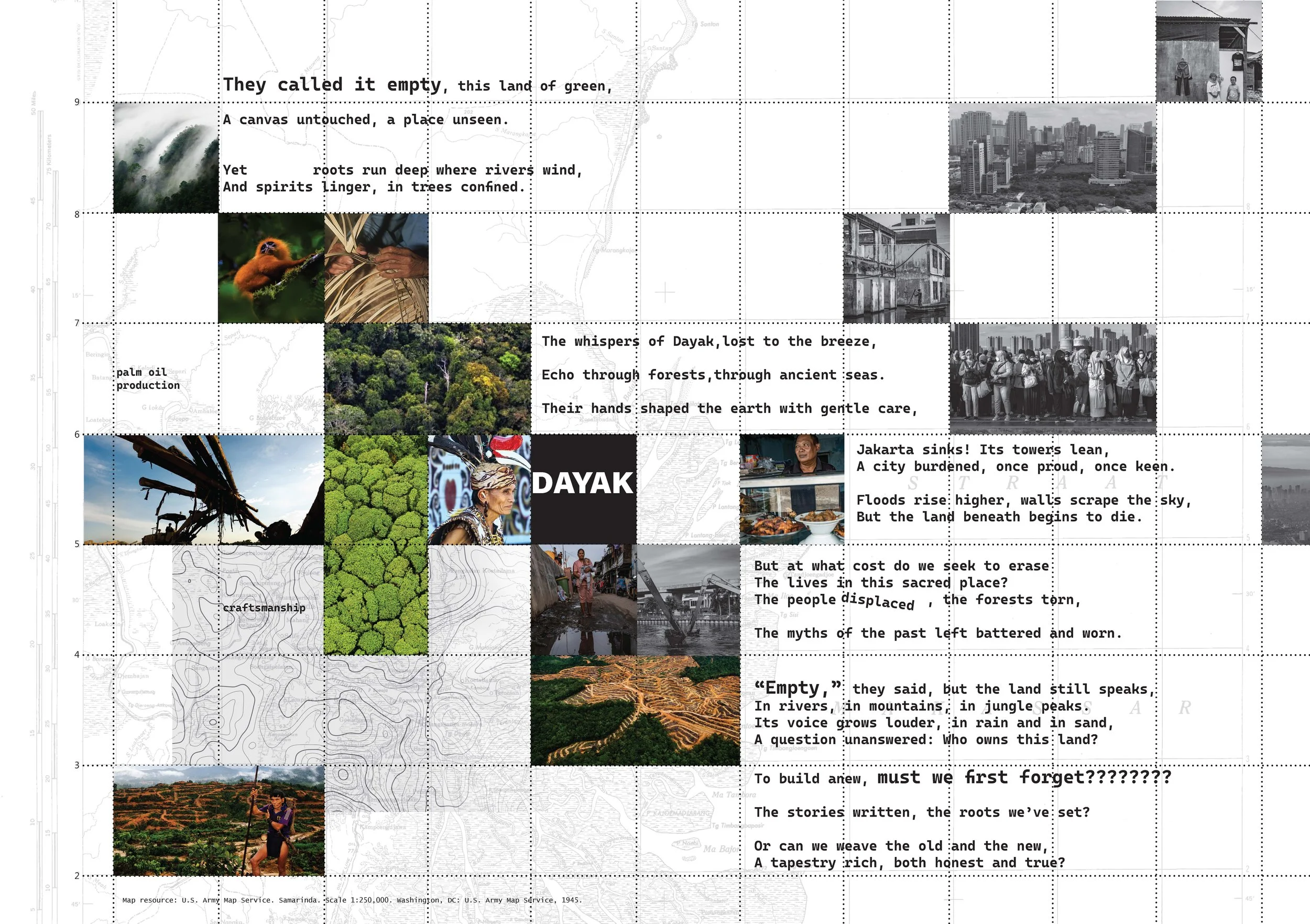
The "Map of an Empty Land" project explores the profound political, spatial, and cultural implications of Indonesia's decision to relocate its capital from Jakarta to Ibu Kota Nusantara (IKN) in East Kalimantan. By challenging the narrative of Kalimantan as an "empty land," this research highlights the erasure of indigenous histories, cultures, and ecologies tied to the region, particularly the Dayak communities and the Kutai Kingdom. Through critical theories like Edward Said’s "invented geographies" and Gaston Bachelard’s "Poetics of Space," the project visualizes the layered memories of Kalimantan, offering an alternative narrative to the state-driven vision of development. It also critically examines Jakarta’s struggles, its paradoxical position as a city of both modernity and decay, and the future of IKN as a symbol of Indonesia's aspirations. The project ultimately seeks to amplify the voices and histories of Kalimantan’s inhabitants while questioning the socio-political and environmental costs of this ambitious urban transformation.
Memory, Landscape, and the Unfolding Experience of Space and Time
ARCH 596 | Iowa State University
Instructor: Douglas Spencer
Please flip to page 10
Pixelated Landscape - Boundary Blurs
ARCH 5967| Iowa State University
Instructor: Nathalie Frankowski